Riga Day 2: Art Nouveau and a Guide’s Journey Through Latvia’s Painful Past
When we travel, the most meaningful moments are rarely found in guidebooks. While the grand architecture of Riga is breathtaking, it was the quiet, heartfelt stories of the people who call this city home that truly touched our hearts. Make sure to read through to the end, as we share more of these personal connections below.
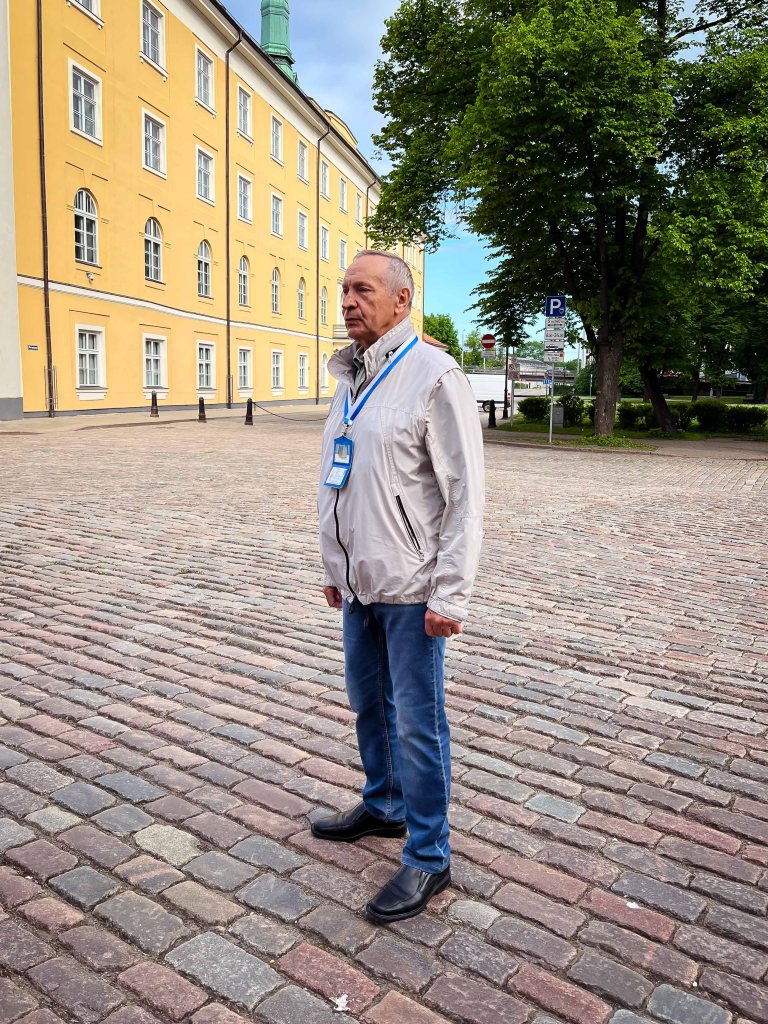
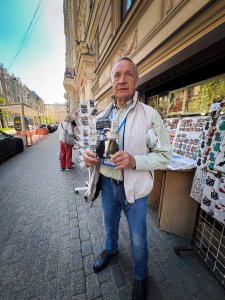
During our private walking tour, we spent three wonderful hours exploring the peaceful Quiet Center and the Art Nouveau area with a remarkable local guide. We will call him Arturs.
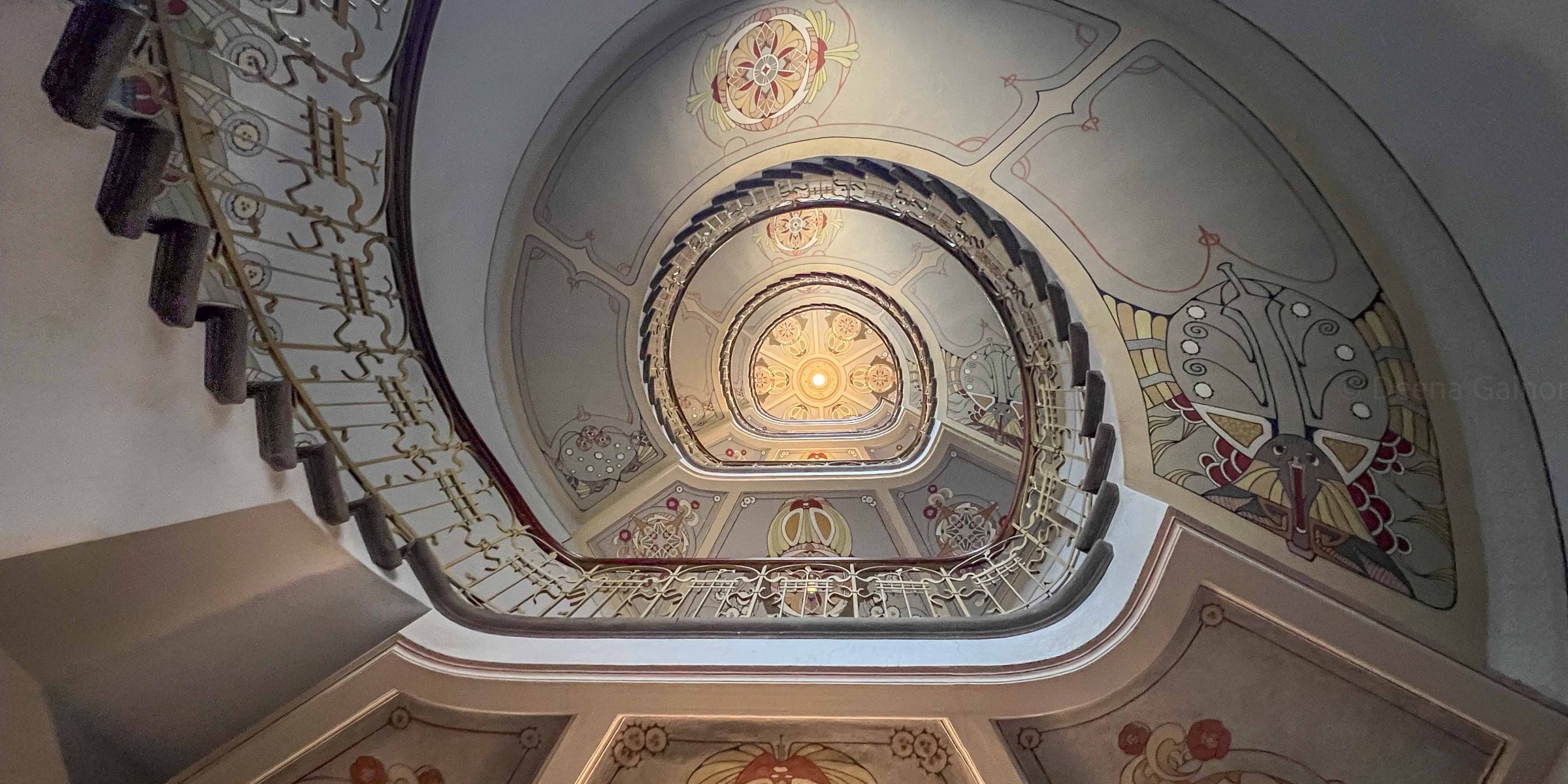
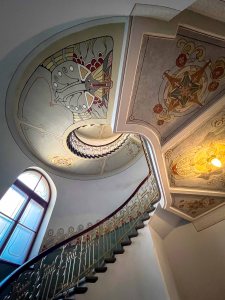
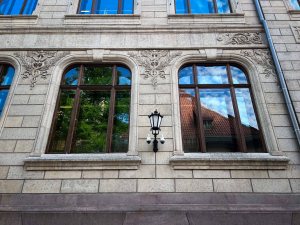
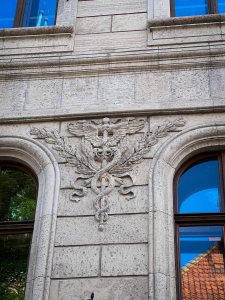
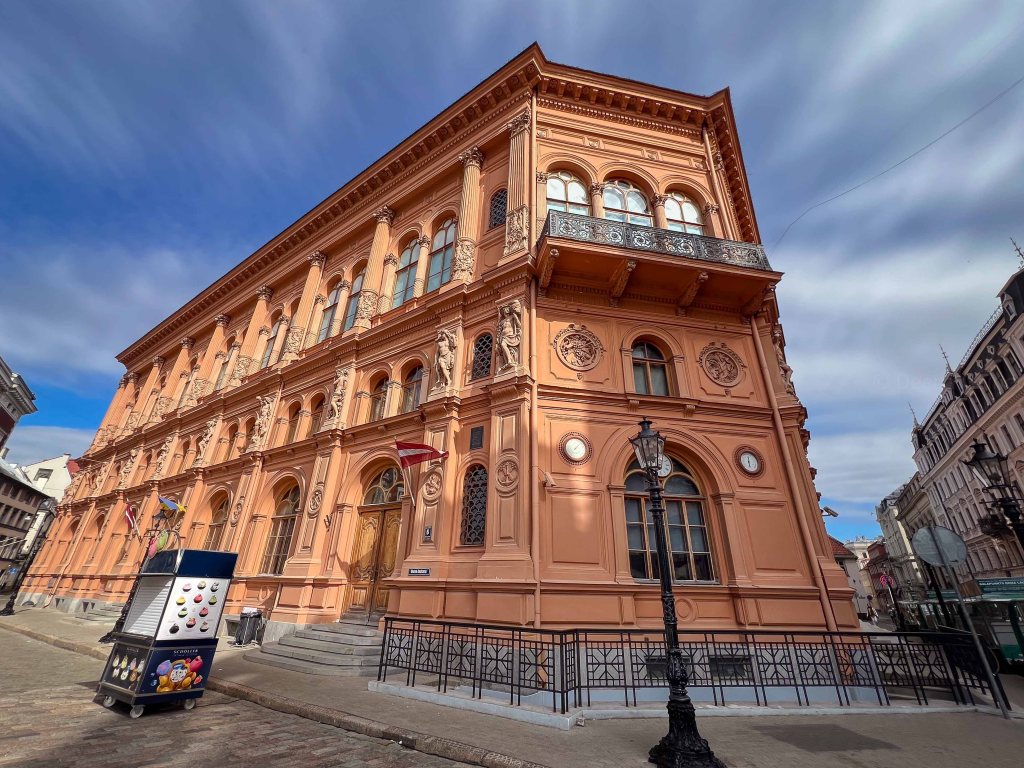
We stepped inside stunning historic buildings to admire their breathtaking, spiral Art Nouveau staircases with painted ceilings and intricate wrought-iron railings. This peaceful neighborhood holds nearly a third of Riga’s famous Art Nouveau masterpieces, featuring intricate stonework and floral designs.
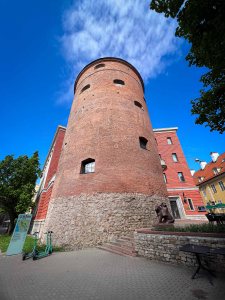
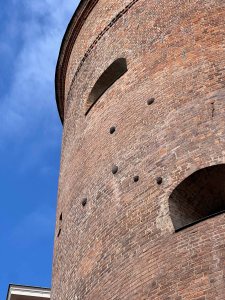
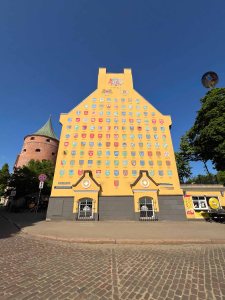
Our walk took us past some incredible historic landmarks, including the striking Powder Tower, a remnant of Riga’s old defensive wall made of rugged red brick, where genuine cannonballs (as the stories are passed down) are still embedded right into the masonry as a silent witness to centuries of past sieges.
We also admired the unique yellow building adorned with a mosaic of colorful regional coats of arms representing the diverse districts of Latvia, celebrating the country’s rich cultural tapestry.
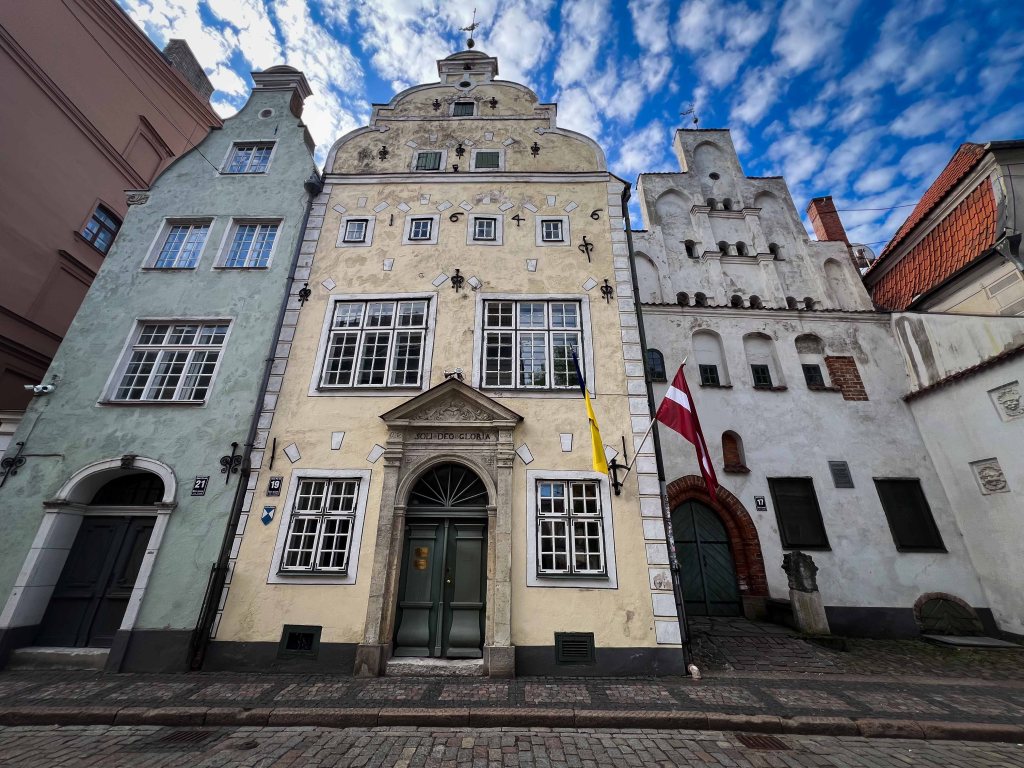
The Three Brothers Just around the corner on Mazā Pils Street, we came across another piece of history: three old houses standing right next to each other, known as the Three Brothers. Local story says three men from the same family built them in different times. The white house on the right is the oldest home in Riga, built in the late 1400s. It has very small windows because long ago, people paid higher taxes if they had bigger windows. The middle house was built in 1646, and the green house on the left was built later in the 1600s. These three houses survived wars, fires, and changing rulers over hundreds of years. Today, they still stand together as a simple reminder of Riga’s long history.
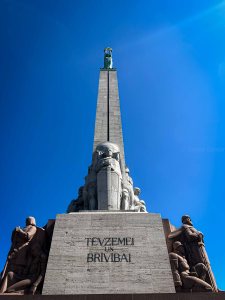
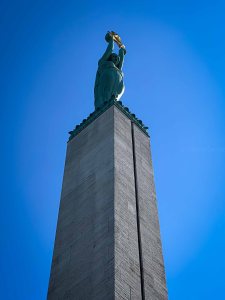
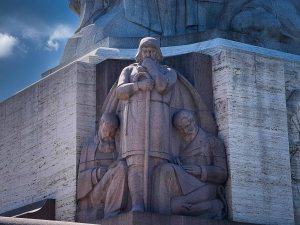
During our walk, we also stood before the towering Freedom Monument, a majestic symbol inscribed with the words Tēvzemei un Brīvībai (“For Fatherland and Freedom”) that honors those who fought for the nation’s independence.
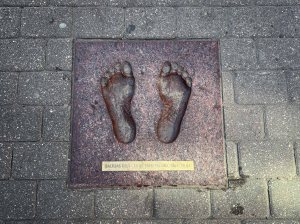
Nearby, bronze footprints embedded right into the pavement commemorate the astonishing Baltic Way of 1989, when two million people joined hands in a peaceful human chain stretching across Estonia, Latvia, and Lithuania to demand freedom.
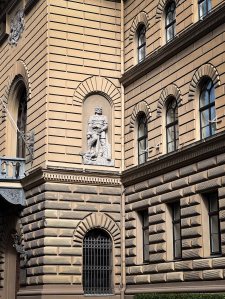
While our guide’s insights into the stunning early twentieth-century architecture were wonderful, what stayed with us most was the honesty he shared about his family’s past. Growing up during the Soviet occupation, he lived through times of deep uncertainty. He shared how his parents worked tirelessly for years to finally purchase a home of their own. Tragically, within just a month of moving in, the invasion forced them out. They were displaced to a farming community outside the city and had to start entirely from scratch, with nothing. It was a very difficult life and a painful loss.
As he spoke, you could still feel the lingering pain just beneath the surface. He shared so many more stories that morning that offered such a gentle, profound window into the incredible resilience of the Latvian people. It reminds us that behind every beautiful European streetscape is a family history of immense courage and sacrifice.
The Power of Personal Connection Having a private guide who is willing to share his heart transforms a simple sightseeing tour into an unforgettable human experience. We felt heavy and thankful at the same time for such a unique experience.
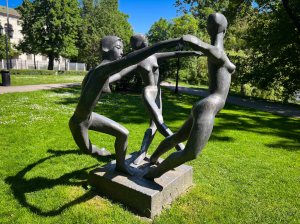
While walking through Bastejkalns Park along the canal, we came across a sculpture of three women holding hands in a circle. Created around 1970 by Latvian sculptor Pārsla Zaļkalne, it feels light and graceful on the surface, but like so much in Riga, there is a heavier context beneath it.
During the Soviet regime, artists had to tread carefully. Depicting the human form freely was rarely allowed without a clear, approved message behind it. Giving the work the official name “Peace Dance” was a pragmatic decision by the sculptor, a way to navigate strict censors and preserve artistic freedom so the piece could stand in a public space.
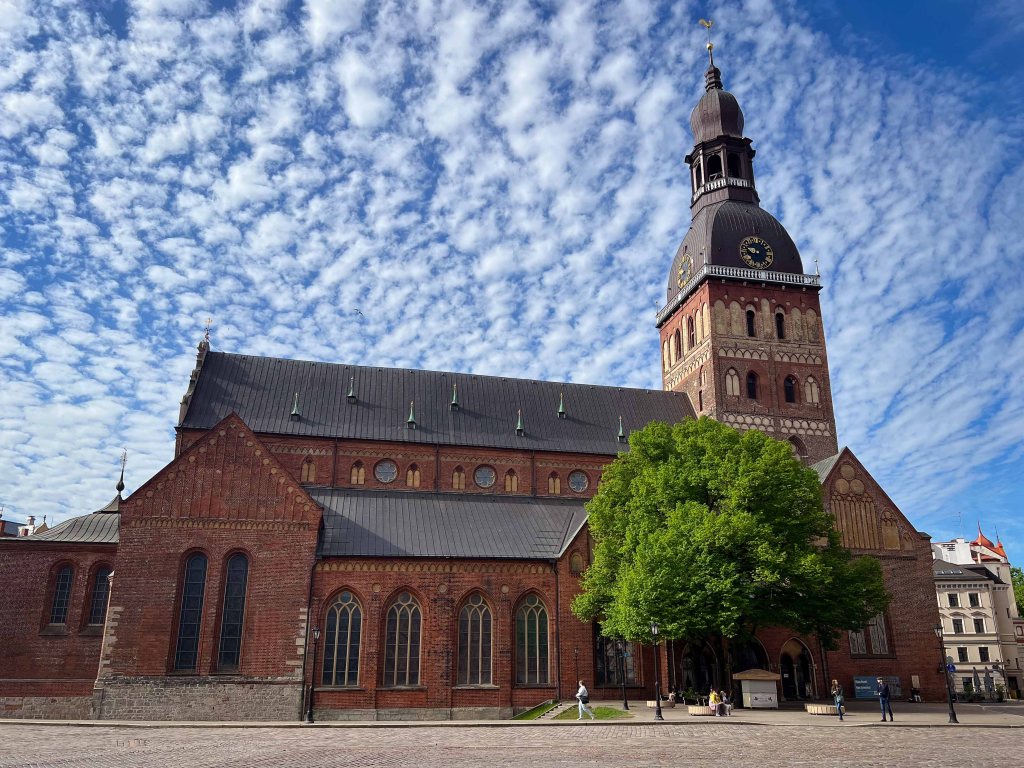
If you look closely at the metal today, you will also spot visible bullet marks. They date back to January 1991, when Soviet special forces opened fire near the nearby Interior Ministry during Latvia’s stand for independence. Standing there, hearing how deeply the occupation impacted families across generations, seeing those marks makes you realize how art and personal history are tied together in this city. Here are a few more photos we captured:
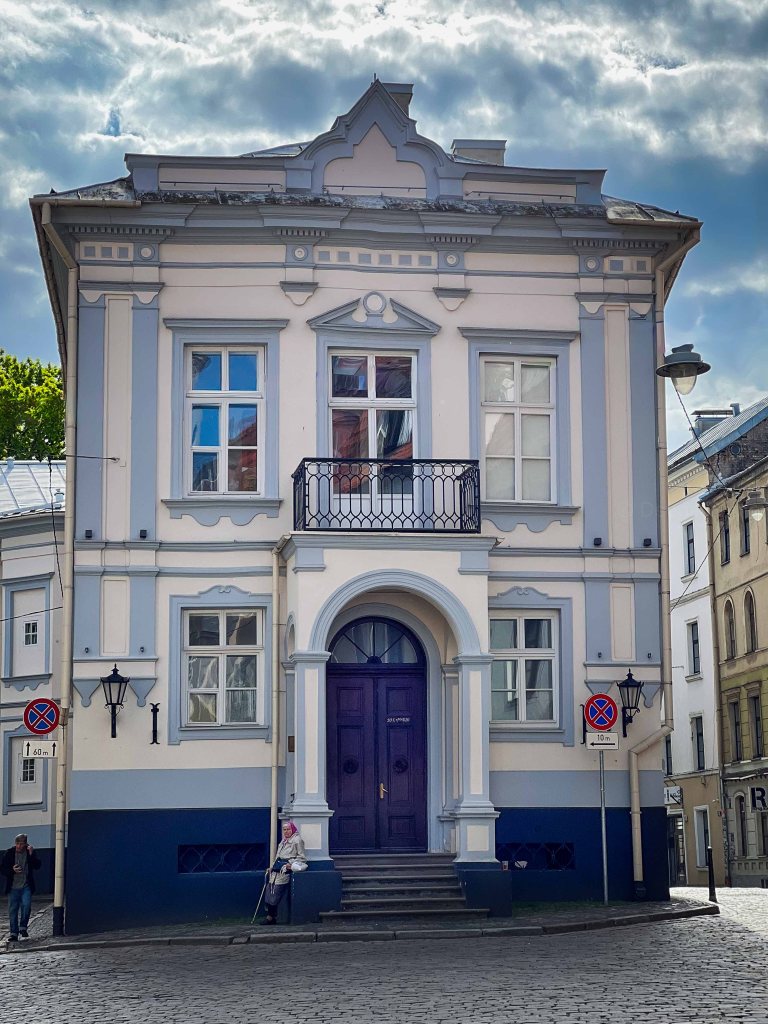
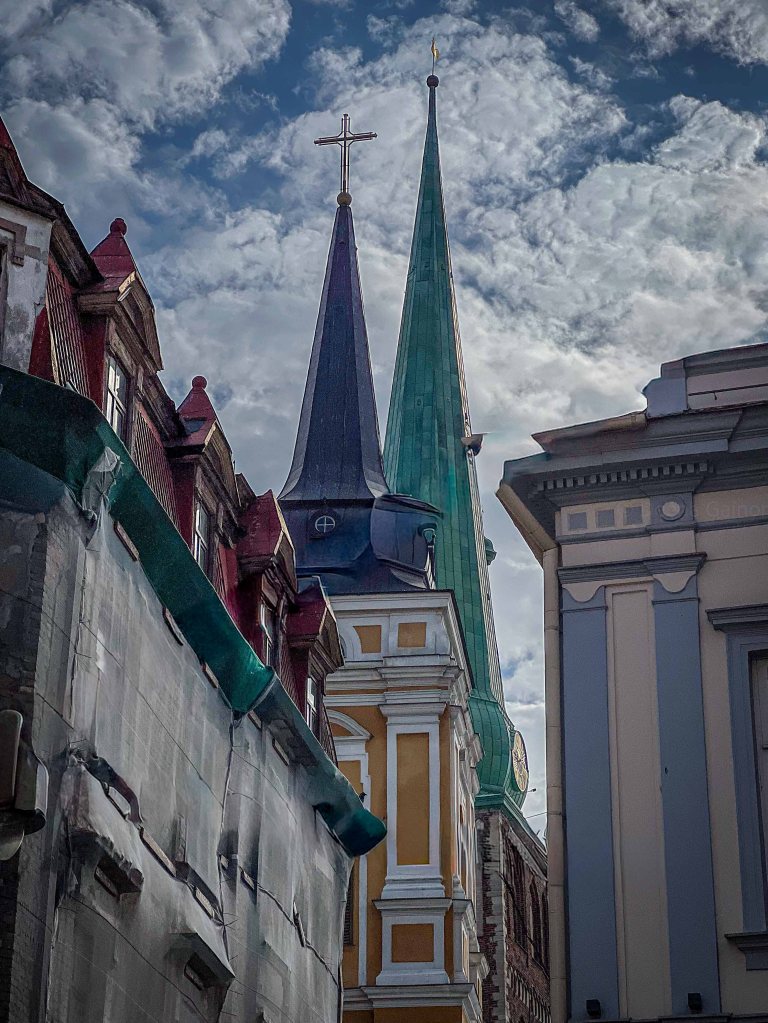
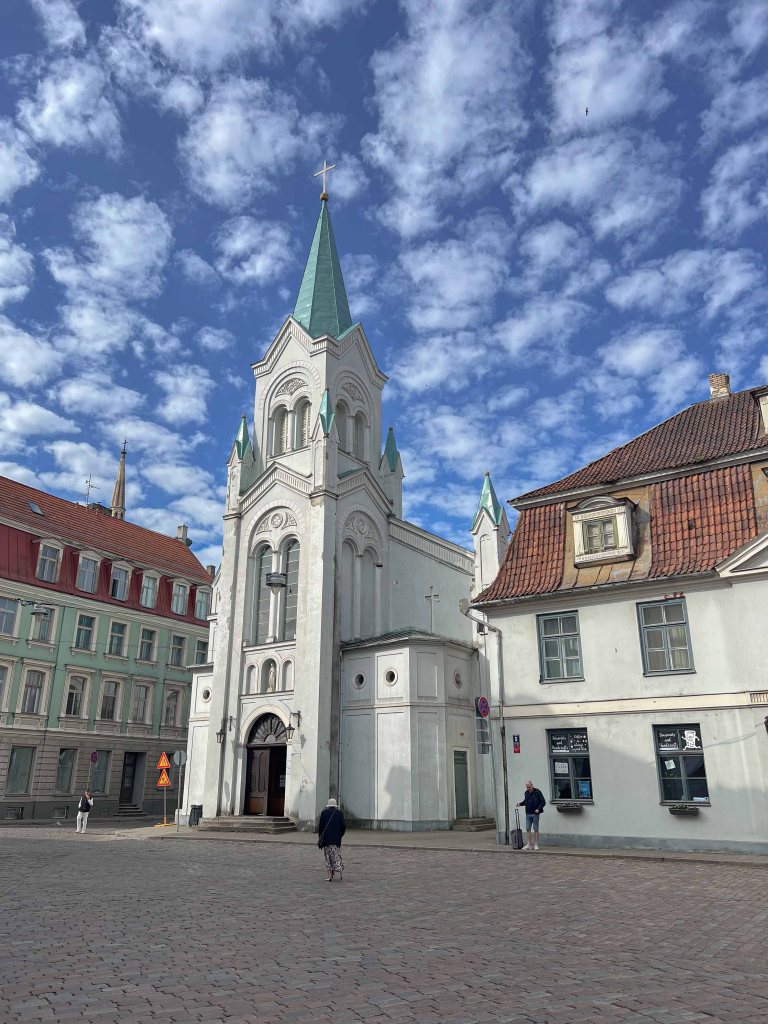
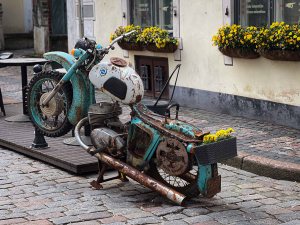
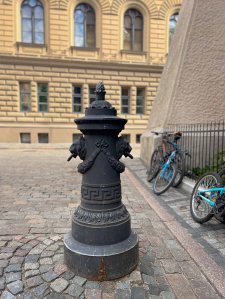
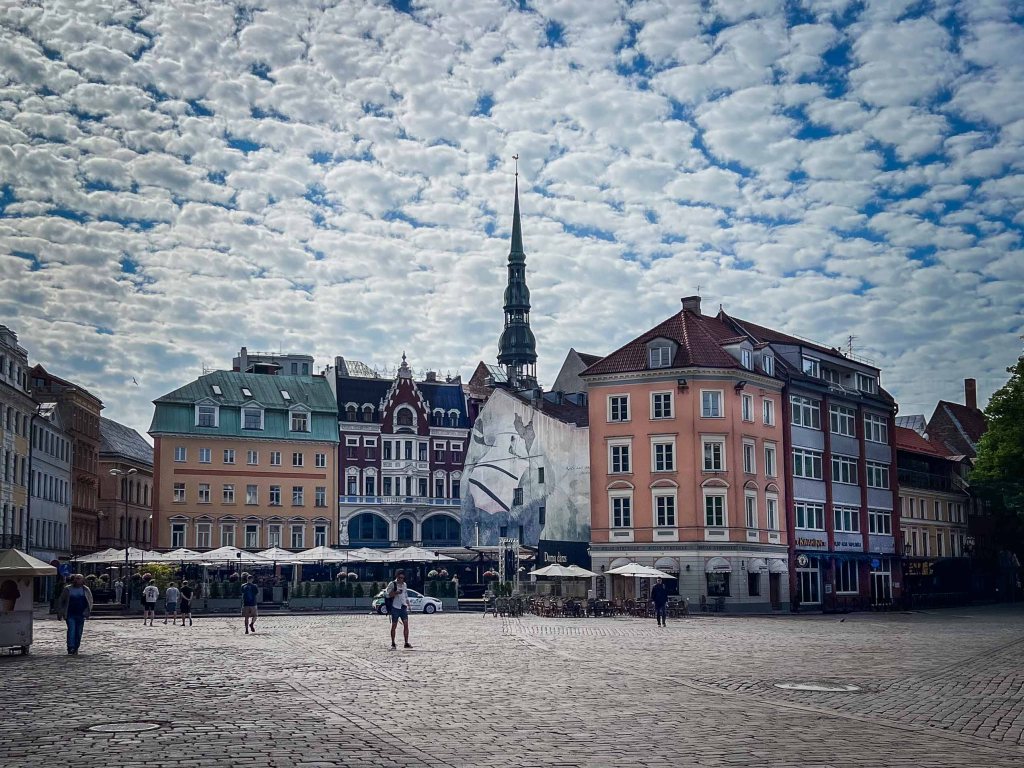
True luxury travel is about understanding the soul of a destination and the resilient people who shaped it. Arturs generously gave us an incredibly private peek into the heart of the country during one of its most painful times.
When you explore a new place, do you find that hearing personal stories from locals is what makes the journey truly unforgettable? If you are just catching up or wish to revisit earlier chapters of our Baltic journey, you can explore where our travels began with Exploring Europe’s Quieter Corners: First Impressions of Tallinn, Estonia, browse Tallinn Day 2: Art, Coffee, and Creativity, read Day 3: Palaces, Panoramas, and Medieval Attitude – Tallinn, or catch our first Riga chapter with Riga After Hours, Where Locals, Food, and Lively Nightlife Come Together
For more information on our itineraries, feel free to email me at dtgainor@gmail.com or visit Global Getaways to learn more about who we are and how we work.
Discover more from Six Hearts One Journey
Subscribe to get the latest posts sent to your email.
 Deena Gainor


Recent Comments